
Top Myths About Oil Changes Debunked by Chicago's Trusted Mechanics


Regular oil changes are crucial for maintaining the health of your vehicle, yet misconceptions abound. In this blog post, we’ll debunk some of the most common myths about oil changes, with insights from Chicago's trusted mechanics.
Myth 1: You Need to Change Your Oil Every 3,000 Miles
While it was once standard to change your oil every 3,000 miles, modern engines and oil formulations have extended this interval significantly. Most vehicles today can go between 5,000 to 7,500 miles, or even longer, before needing an oil change. Always refer to your vehicle's owner manual or consult with a trusted mechanic for the best advice.
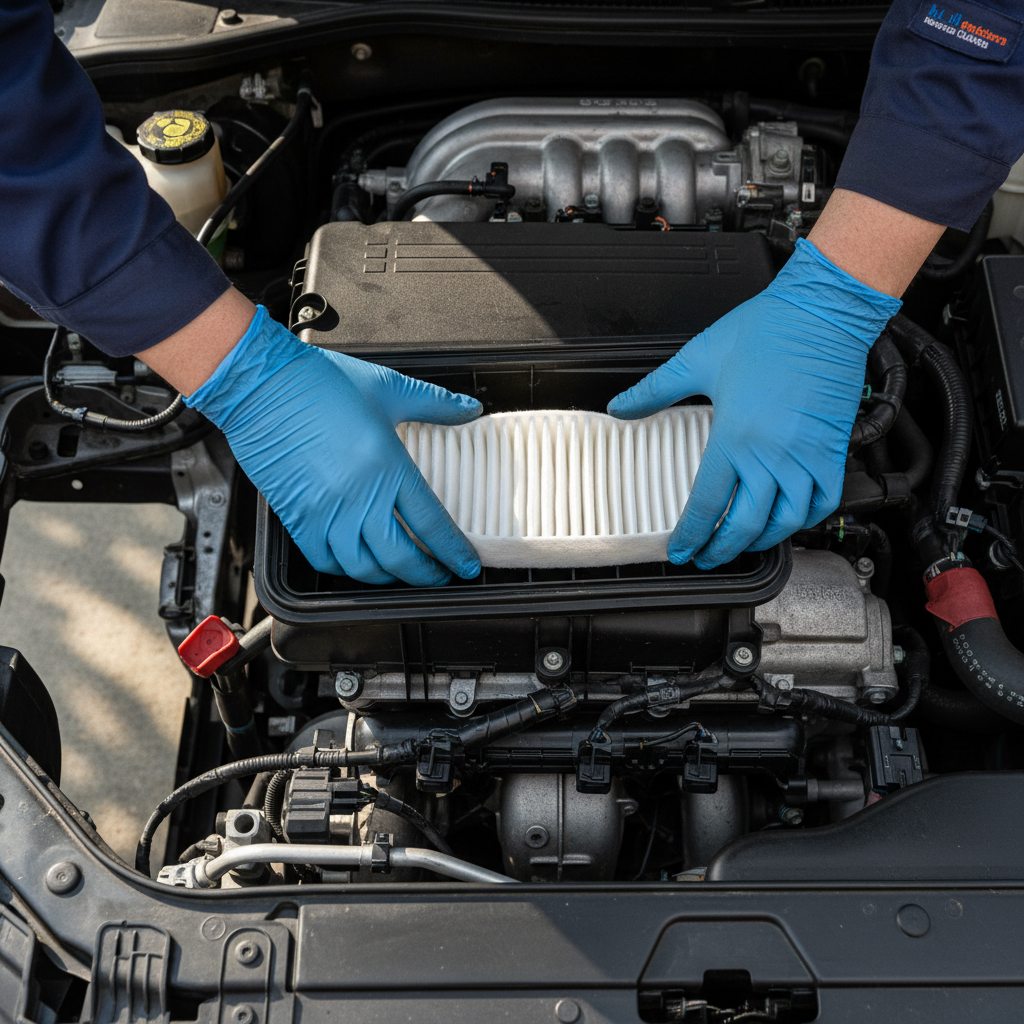
Why the 3,000-Mile Rule Persisted
The 3,000-mile rule was a general guideline from a time when engines and oils were less advanced. Today’s synthetic oils and improved engine designs offer greater efficiency and longer-lasting performance.
Myth 2: Once You Switch to Synthetic Oil, You Can’t Go Back
This is a common misconception. You can switch between synthetic and conventional oil without harming your engine. However, synthetic oil offers superior performance, especially in extreme temperatures, and is generally recommended for high-performance vehicles.
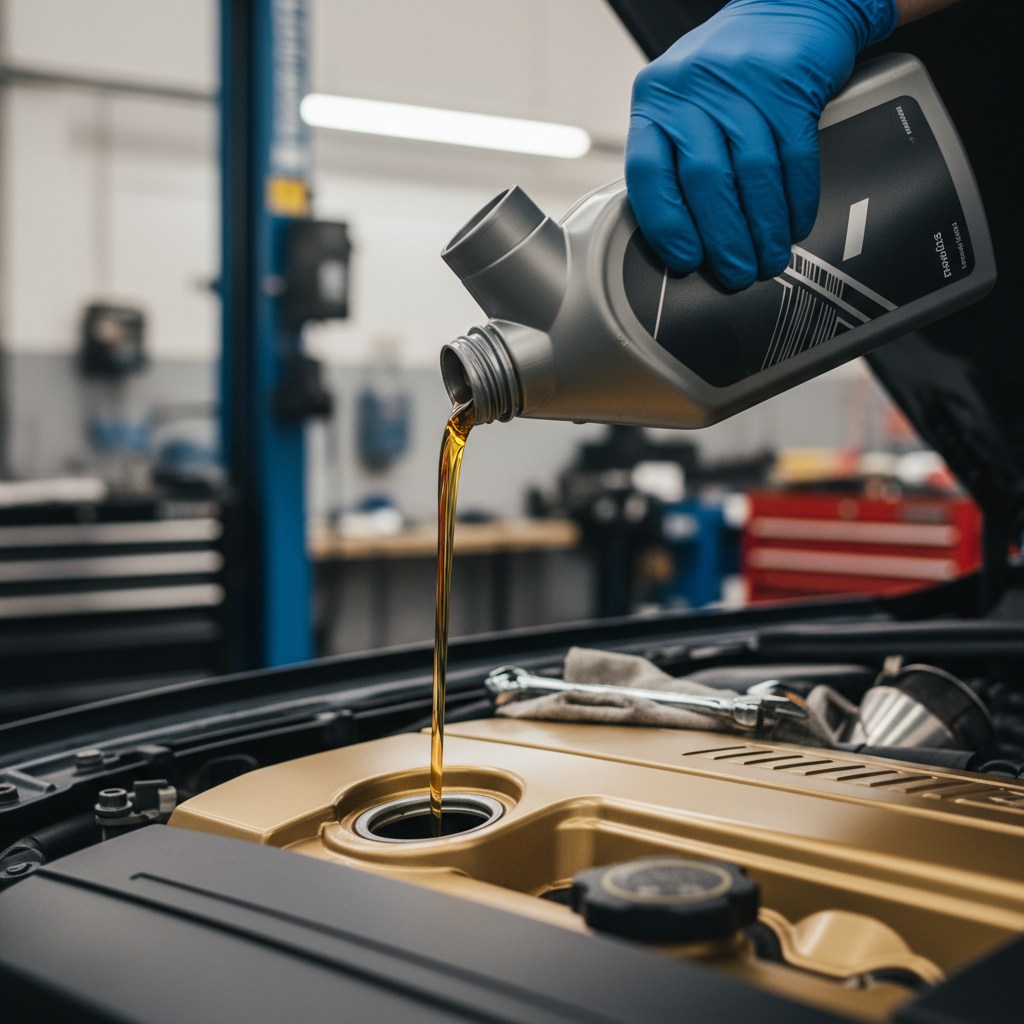
The Benefits of Synthetic Oil
Synthetic oils are designed to offer enhanced lubrication, reduced engine wear, and better performance under extreme conditions. If you opt for synthetic, it may be worth sticking with it, but switching back to conventional oil won't damage your engine.
Myth 3: Dark Oil Means It’s Time for a Change
It’s a common belief that if your oil turns dark, it’s dirty and needs to be changed. However, this isn't necessarily true. Dark oil can actually be a sign that the oil is doing its job—cleaning and removing contaminants from your engine.
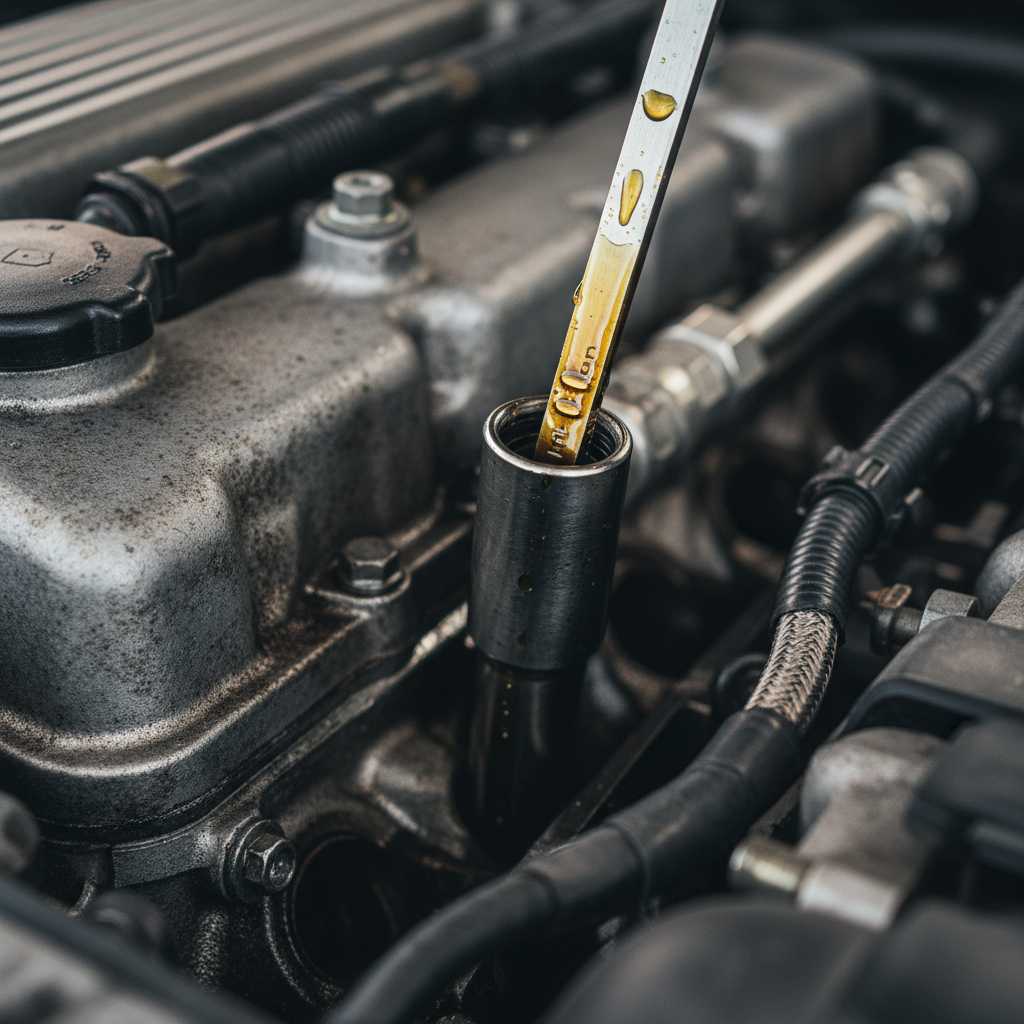
When to Really Change Your Oil
Instead of relying solely on color, adhere to the recommended oil change intervals and use your vehicle’s oil life monitoring system, if available. This approach ensures your engine remains protected and efficient.
Myth 4: Any Oil Filter Will Do
Choosing the right oil filter is crucial for your engine's health. Not all oil filters are created equal, and using a low-quality filter can reduce the effectiveness of your oil, leading to potential engine damage.

Why Quality Matters
High-quality oil filters are designed to trap contaminants more effectively and provide better oil flow. Always opt for a reputable brand and consult your mechanic for recommendations tailored to your vehicle.
By debunking these myths, you can make informed decisions about your vehicle’s maintenance. Trust Chicago’s mechanics to keep your car running smoothly and efficiently.